Since 1980, Aéro Atelier C.M. inc. has specialized in Lycoming and Continental piston aircraft engines in Canada. We focus our resources on shop engine work so each internal component can be evaluated, repaired and assembled using the applicable technical data.
Our specialty: focused technical expertise in the engine shop
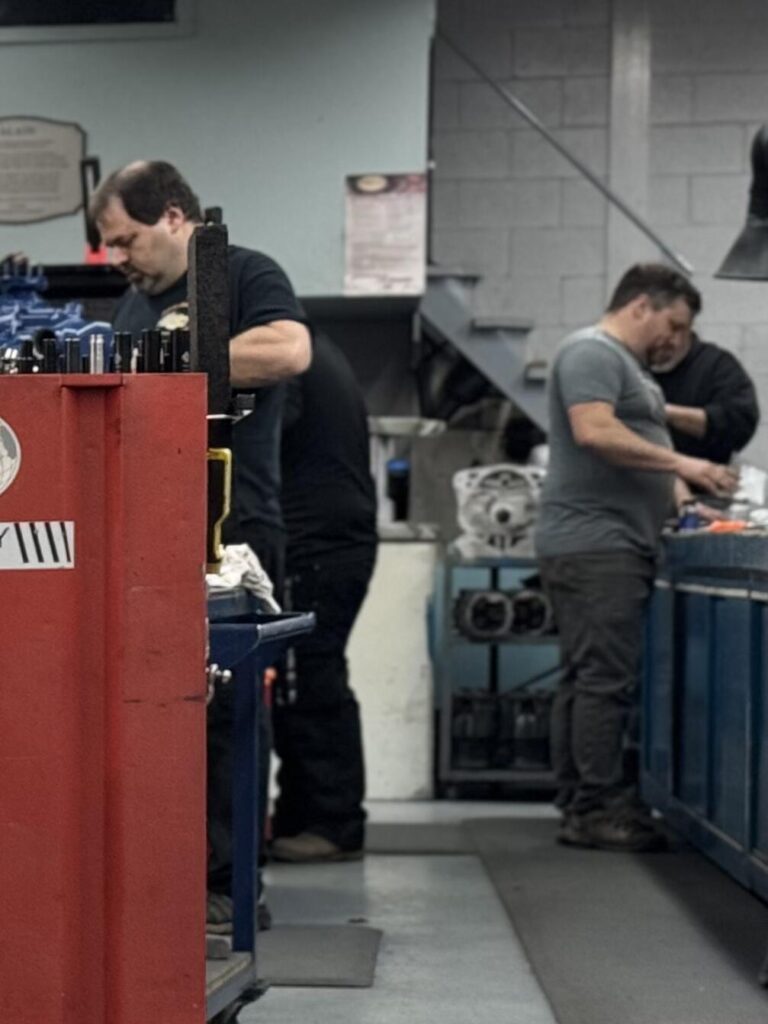
Entrusting your engine to Aéro Atelier means working with a team dedicated to horizontally opposed piston engines. This specialization lets us concentrate on the inspection, dimensional limits, repair methods and assembly requirements that apply to Lycoming and Continental engines and their components.
Major Overhaul: preparing your engine for its next service cycle
An overhaul is more than a repair. The engine is disassembled, inspected, repaired or reconditioned as required, reassembled and tested according to the approved data and specifications applicable to the engine.
- Manufacturer and regulatory data: Each stage is performed using the applicable maintenance manuals, Instructions for Continued Airworthiness, Airworthiness Directives and manufacturer service information.
- Approved parts and practical options: Depending on the engine, configuration and approved data, the work may use OEM parts or other approved replacement parts, including PMA parts where applicable.
- Traceability and documentation: Components and maintenance actions are documented through the overhaul process, leading to the applicable maintenance release and authorized release documentation, including a TCCA Form One when required for the work performed.
Step 01
Receiving, Disassembly and Initial Cleaning
The overhaul process begins with a controlled induction phase in which we confirm the engine identity, configuration and available technical records. The engine is then disassembled so major assemblies, accessories and components can be evaluated individually.
Once disassembled, components are cleaned using processes appropriate to the material and the inspection that follows. Removing oil, carbon and other contamination is essential because accurate visual, dimensional and non-destructive inspection depends on clean surfaces and clearly identifiable parts.
Step 02
NDT and Dimensional Inspection
After cleaning, components undergo the inspections required by the applicable data. Non-destructive testing (NDT) is performed as applicable within the approved scope of the organization and the component involved. Work requiring capabilities outside that scope is entrusted to appropriately approved specialized facilities.
Dimensional inspection is performed with suitable measuring equipment and the applicable manufacturer limits. The objective is to establish the actual condition of each component and determine whether it remains serviceable, can be repaired or reconditioned under approved data, or must be replaced.
Step 03
Component Repair and Preparation
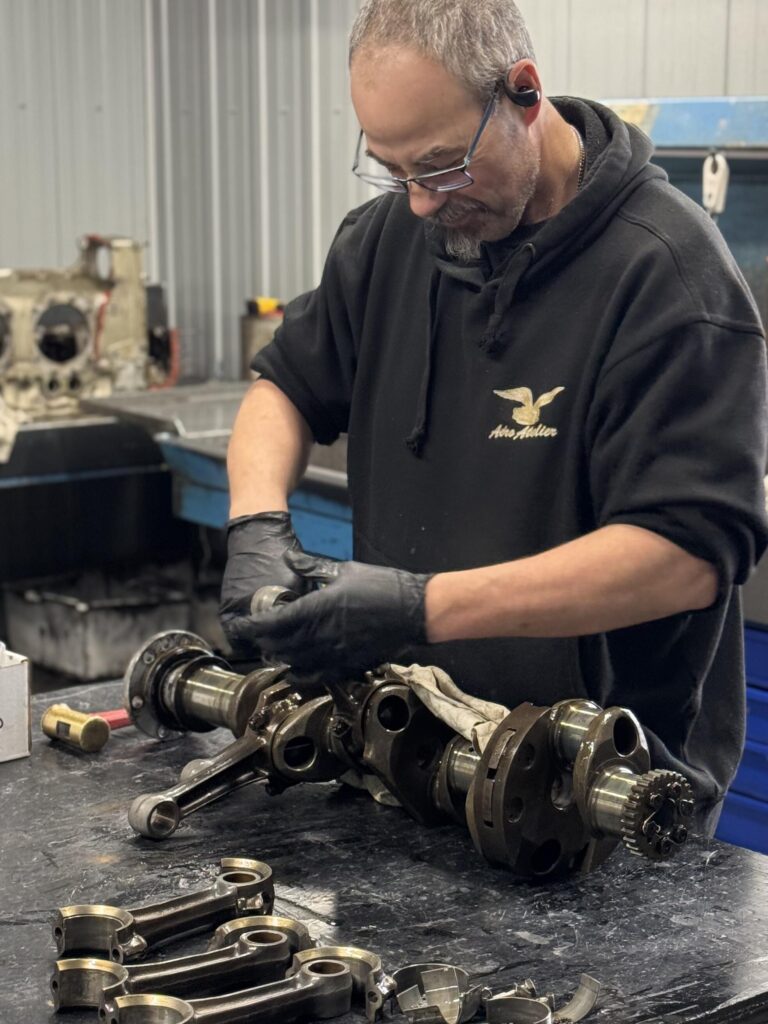
Preparing the engine for its next service cycle requires careful work on each internal component. Depending on the component and the approved repair data, this can include precision machining, valve-seat and guide work, crankcase or other component repairs, surface restoration and replacement of parts that do not meet the applicable limits.
When specialized repairs are required outside our direct capability, the component is sent to an appropriately approved specialist. Applicable mandatory instructions and Airworthiness Directives are reviewed as part of the work so that the final configuration is supported by the required technical documentation.
Step 04
Final Assembly
Once inspected and reconditioned components and the required replacement parts are ready, our technicians begin final assembly. Components are installed using the applicable manufacturer torque, clearance, timing and assembly specifications. Gaskets, seals, hardware and other replacement items are renewed as required by the applicable overhaul or maintenance data.
Assembly steps and component status are documented in the technical records so the completed engine can be released with the maintenance certification and authorized release documents required for the work performed.
Step 05
Test Cell Validation
Before release, an overhauled engine is operated on the test cell using the test sequence applicable to the engine and the work performed. Oil pressure, temperatures, engine response, ignition operation and other required parameters are monitored at the prescribed operating points.
The test also provides an opportunity to verify for abnormal operation or leakage before the engine leaves the shop. It begins the engine’s initial run-in, but the complete break-in process continues after installation. Customers receive break-in guidance appropriate to the engine, cylinder configuration and current manufacturer recommendations.
Targeted Repair and Maintenance
Not every engine requires a complete overhaul. Depending on the defect, event and approved data, our work can include cylinder replacement or repair, inspection and repair following a prop strike or sudden stoppage, and work on engine accessories and components. The scope is established from the actual condition of the engine and the maintenance data that apply to the specific model and configuration.
Inspection and Precision Diagnosis
Inspection is the basis for determining what an engine actually needs. Visual inspection, dimensional measurement, NDT where applicable, records review and component-specific checks are compared with the current service limits and approved data. The goal is to give the owner or maintenance organization a clear picture of component condition and the work required for return to service.
Why Aéro Atelier?
Passing on technical knowledge
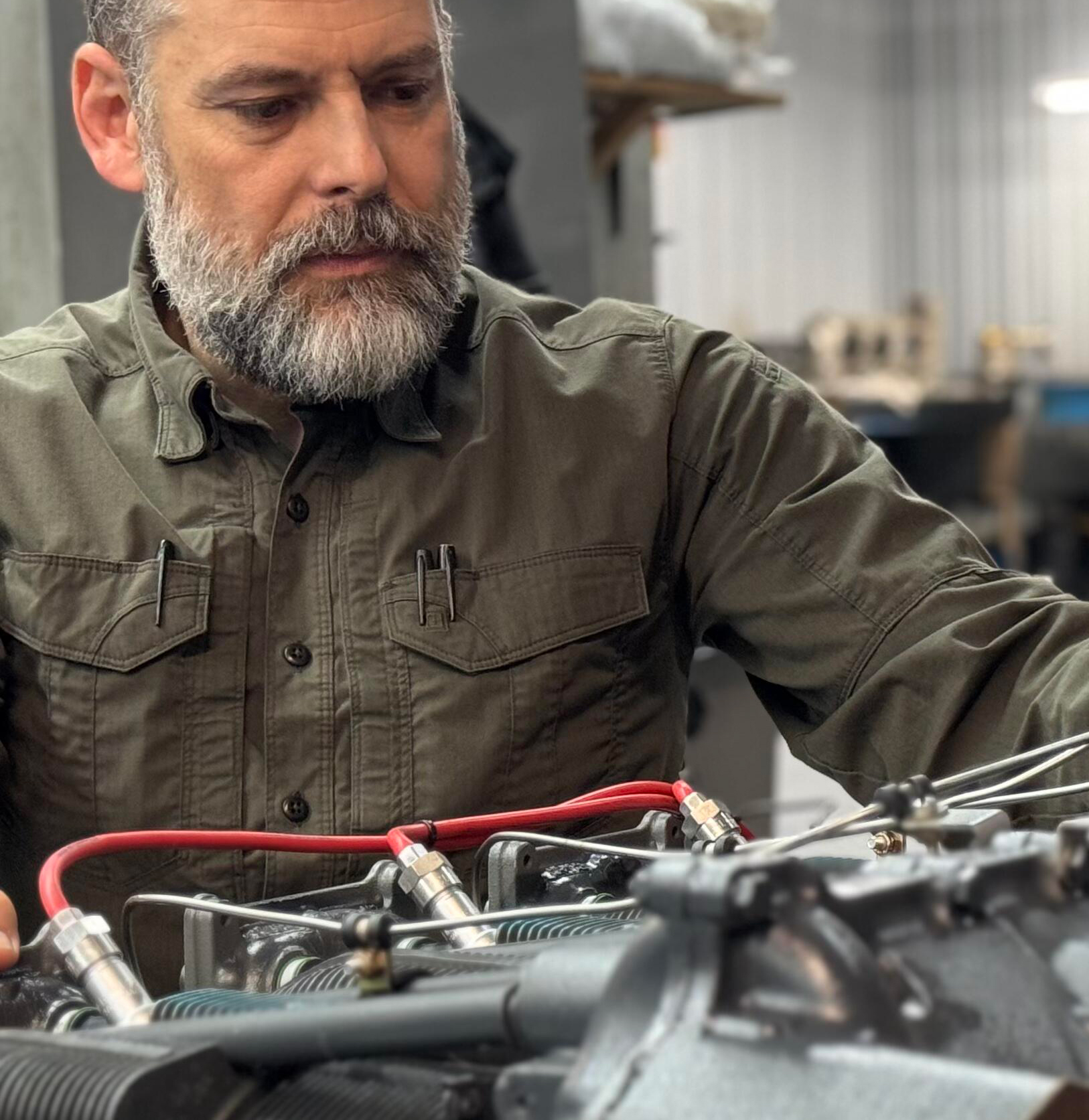
Aircraft engine expertise is built through training, repetition and experience. Our experienced technicians work alongside the next generation so shop knowledge, inspection discipline and careful workmanship continue to be passed on.
Regulatory compliance
Aéro Atelier C.M. inc. is a Transport Canada-approved maintenance organization. Acceptance of maintenance and release documentation outside Canada depends on the product, destination and the applicable bilateral or reciprocal arrangements. For component work covered by the Canada–European Union framework, current mutual-acceptance arrangements govern the use of TCCA and EASA release documentation.
Your engine deserves a specialist’s attention. [Request a personalized engine quote]
Continental aircraft engine overhaul expertise from Aéro Atelier in Shawinigan: teardown, inspection, approved repairs, assembly, test-cell validation and documented return to service.
Lycoming aircraft engine overhaul expertise from Aéro Atelier in Shawinigan: teardown, inspection, approved repairs, assembly, test-cell validation and documented return to service.